Minimally Invasive Spine Surgery: What to Expect
Published on July 11, 2026
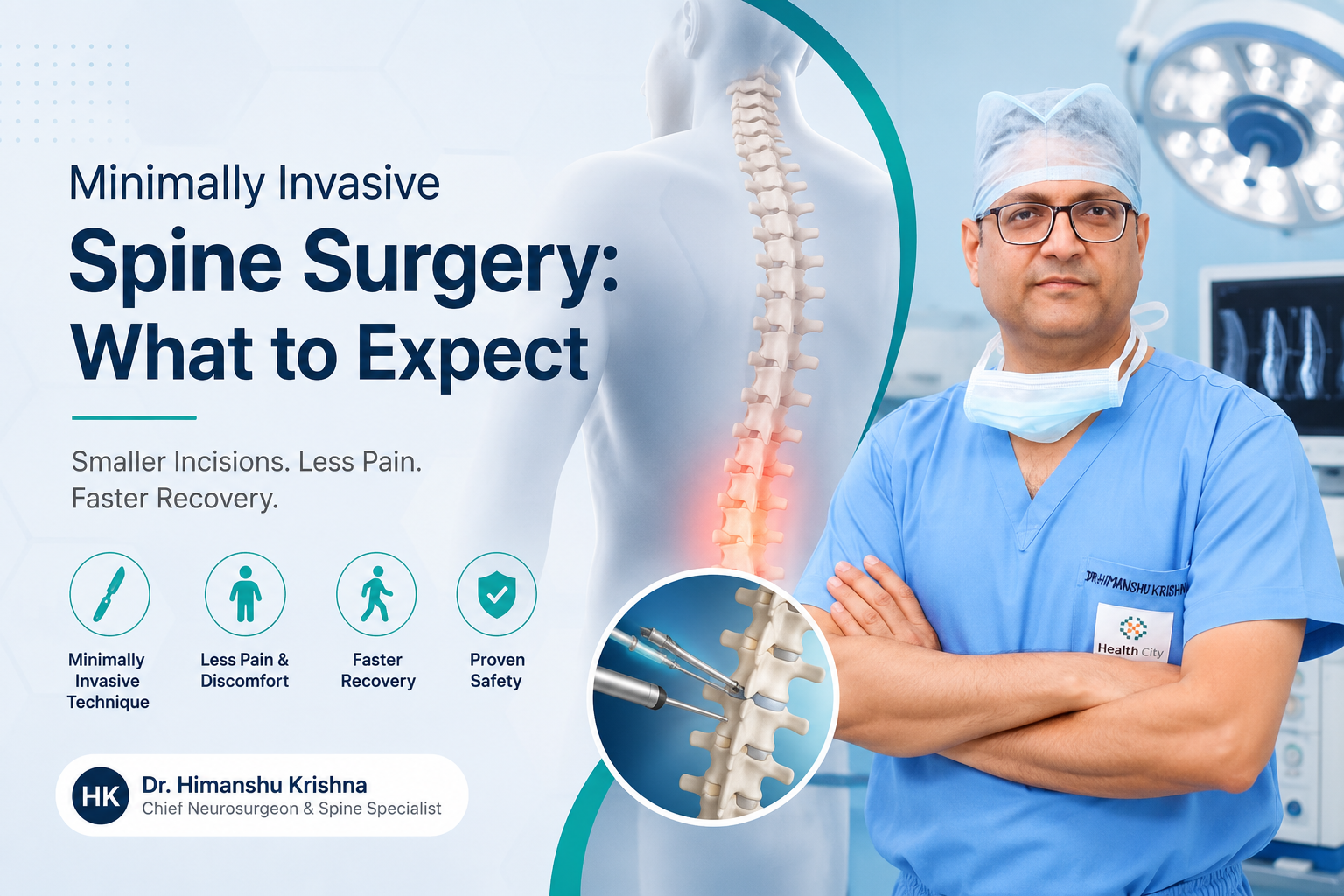
Understanding Minimally Invasive Spine Surgery
Back pain, spinal disorders, and nerve compression can significantly affect your quality of life. For many years, traditional open spine surgery was considered the only solution for severe spinal conditions. However, advancements in modern medical technology have introduced Minimally Invasive Spine Surgery (MISS), a technique that allows surgeons to treat spinal problems with smaller incisions, less tissue damage, and faster recovery.
Today, minimally invasive spine surgery has become one of the most preferred treatment options for patients suffering from herniated discs, spinal stenosis, degenerative disc disease, fractures, and spinal instability. Understanding what happens before, during, and after surgery can help patients feel more confident and prepared for their treatment journey.
What Is Minimally Invasive Spine Surgery?
Minimally invasive spine surgery is an advanced surgical approach that uses specialized instruments, high-definition cameras, microscopes, and image-guided technology to perform spinal procedures through very small incisions.
Unlike traditional open surgery, where large muscles are separated to access the spine, minimally invasive techniques gently move muscles aside instead of cutting them. This significantly reduces damage to surrounding tissues while allowing the surgeon to treat the affected spinal structures with exceptional precision.
The primary goal is to achieve the same or even better surgical outcomes while minimizing pain, blood loss, infection risk, and recovery time.
Conditions Treated with Minimally Invasive Spine Surgery
Modern minimally invasive techniques can effectively treat a wide variety of spinal disorders, including:
- Herniated (slipped) discs
- Lumbar spinal stenosis
- Cervical spinal stenosis
- Sciatica
- Degenerative disc disease
- Spondylolisthesis
- Vertebral compression fractures
- Spinal instability
- Certain spinal tumors
- Some spinal infections
- Recurrent disc herniation
Not every patient is a candidate for minimally invasive surgery. A thorough clinical examination and advanced imaging studies help determine the most appropriate treatment approach.
Benefits of Minimally Invasive Spine Surgery
One of the biggest reasons patients choose minimally invasive spine surgery is the faster and more comfortable recovery.
Compared with traditional spine surgery, patients often experience:
- Smaller surgical incisions
- Minimal muscle damage
- Less postoperative pain
- Reduced blood loss
- Lower infection risk
- Smaller scars
- Shorter hospital stay
- Faster return to daily activities
- Quicker rehabilitation
- Better cosmetic results
These benefits make minimally invasive techniques particularly valuable for elderly patients and individuals with other medical conditions who may have higher surgical risks.
Who Is an Ideal Candidate?
A patient may be considered for minimally invasive spine surgery if conservative treatments have failed to relieve symptoms.
You may be a suitable candidate if you experience:
- Persistent back pain lasting several months
- Neck pain radiating into the arms
- Sciatica with leg pain or numbness
- Muscle weakness caused by nerve compression
- Difficulty walking due to spinal stenosis
- Loss of quality of life because of chronic spinal pain
Your spine specialist will evaluate your symptoms, physical examination findings, MRI scans, CT scans, X-rays, and overall health before recommending surgery.
Diagnostic Evaluation Before Surgery
Before planning surgery, several investigations help accurately diagnose the spinal condition.
These commonly include:
- MRI of the spine
- CT Scan
- Digital X-rays
- Dynamic Flexion-Extension X-rays
- Blood investigations
- ECG
- Chest X-ray (when necessary)
- Bone density assessment in elderly patients
- Neurological examination
These tests help determine the exact location of the spinal problem and ensure the safest surgical plan.
Preparing for Surgery
Preparation plays an important role in achieving the best possible outcome.
Before surgery, patients are usually advised to:
- Discuss all medications with their surgeon
- Stop blood-thinning medications if instructed
- Control diabetes and blood pressure
- Avoid smoking before surgery
- Maintain adequate nutrition
- Stay physically active within safe limits
- Follow fasting instructions before anesthesia
Your healthcare team will provide personalized instructions based on your medical condition.
What Happens During the Procedure?
On the day of surgery, the patient is taken to the operating room and receives either general anesthesia or spinal anesthesia depending on the procedure.
The surgeon makes one or more very small incisions and inserts specialized surgical instruments through tubular retractors. High-definition microscopes or endoscopes provide excellent visualization of the spine while preserving healthy muscles and tissues.
Depending on the condition, the surgeon may:
- Remove a herniated disc
- Relieve nerve compression
- Remove bone spurs
- Stabilize unstable vertebrae
- Insert screws or rods if required
- Repair fractures
- Remove spinal tumors in selected cases
Once the procedure is completed, the small incision is closed with minimal stitches.
Common Minimally Invasive Spine Procedures
Several advanced procedures are performed using minimally invasive techniques, including:
Microdiscectomy
Used to remove herniated disc material compressing spinal nerves.
Endoscopic Spine Surgery
Performed using tiny cameras and specialized instruments through very small incisions.
Minimally Invasive Spinal Fusion
Used for spinal instability or spondylolisthesis while minimizing muscle injury.
Kyphoplasty
Treats painful osteoporotic compression fractures using bone cement.
Vertebroplasty
Stabilizes fractured vertebrae and reduces severe pain.
Decompression Surgery
Removes pressure from compressed nerves caused by spinal stenosis.
Recovery After Minimally Invasive Spine Surgery
Recovery is generally much quicker than traditional open surgery.
Most patients can:
- Walk within a few hours after surgery
- Go home within one or two days
- Resume light daily activities within one to two weeks
- Return to office work in two to four weeks
- Resume moderate exercise after medical clearance
- Achieve full recovery within six to twelve weeks depending on the procedure
Recovery varies depending on age, overall health, and the complexity of surgery.
Pain Management After Surgery
Mild postoperative discomfort is normal and usually improves within a few days.
Pain management may include:
- Oral pain medications
- Anti-inflammatory medicines
- Ice therapy
- Walking exercises
- Physical therapy
- Gradual return to activities
Following your surgeon's recommendations helps ensure a smooth recovery.
Rehabilitation and Physical Therapy
Physical therapy is an important part of recovery.
A rehabilitation program focuses on:
- Improving flexibility
- Strengthening core muscles
- Restoring spinal mobility
- Improving posture
- Preventing future back injuries
- Safe return to work and sports
Regular exercise also helps reduce the likelihood of future spinal problems.
Potential Risks and Complications
Although minimally invasive spine surgery is considered safe, every surgical procedure carries some risk.
Possible complications include:
- Infection
- Bleeding
- Nerve injury
- Cerebrospinal fluid leak
- Blood clots
- Implant-related complications
- Persistent symptoms
- Need for additional surgery in rare cases
Choosing an experienced spine surgeon significantly reduces these risks.
Long-Term Results
Studies have shown excellent long-term outcomes for appropriately selected patients undergoing minimally invasive spine surgery.
Most patients report:
- Significant pain relief
- Improved mobility
- Better quality of life
- Faster return to work
- Improved sleep
- Increased independence
- Better participation in daily activities
Maintaining a healthy lifestyle and following rehabilitation guidelines further improve long-term success.
Tips for Protecting Your Spine After Surgery
Healthy habits can help protect your spine for years to come.
- Maintain a healthy body weight
- Practice proper lifting techniques
- Strengthen your core muscles
- Avoid prolonged sitting
- Improve workplace ergonomics
- Stay physically active
- Quit smoking
- Attend regular follow-up appointments
These simple measures help reduce stress on the spine and lower the risk of future problems.
When Should You Consult a Spine Specialist?
Seek medical evaluation if you experience:
- Severe back or neck pain lasting more than a few weeks
- Pain radiating into the arms or legs
- Numbness or tingling
- Muscle weakness
- Difficulty walking
- Loss of bladder or bowel control (medical emergency)
- Persistent pain despite medication and physiotherapy
Early diagnosis often allows for less invasive treatment and better outcomes.
Conclusion
Minimally invasive spine surgery has transformed the treatment of many spinal disorders by offering safer procedures, smaller incisions, reduced pain, and faster recovery. While not every patient requires surgery, those who are appropriate candidates often experience significant improvement in pain, mobility, and overall quality of life.
If you are suffering from chronic back pain, neck pain, sciatica, spinal stenosis, or other spine-related conditions, consulting an experienced spine surgeon can help determine whether minimally invasive spine surgery is the right option for you.
Call to Action
If persistent back pain or spinal problems are limiting your daily activities, schedule a consultation with Dr. Himanshu Krishna. A comprehensive evaluation, accurate diagnosis, and personalized treatment plan can help you return to a healthier, more active life with the most advanced spine care available.
Dr. Himanshu Krishna
Chief Neurosurgeon & Head of Neurosurgery & Spine