Advancements in Endoscopic Neurosurgery: Benefits, Procedures & Recovery
Published on July 11, 2026
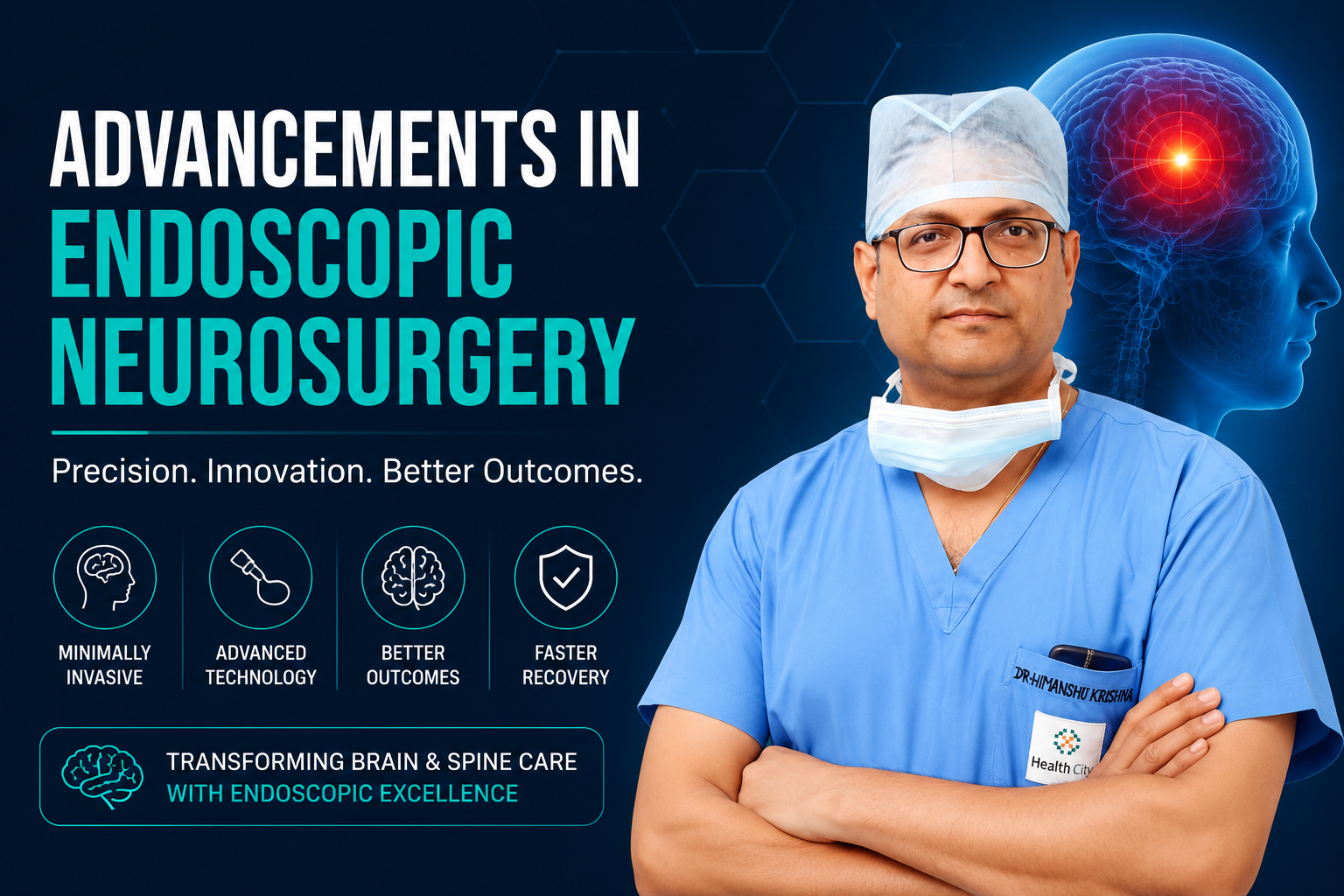
The Future of Brain and Spine Surgery: Advances in Endoscopic Neurosurgery
Modern neurosurgery has undergone a remarkable transformation over the past two decades. One of the most significant breakthroughs is endoscopic neurosurgery, a minimally invasive surgical technique that enables neurosurgeons to diagnose and treat complex brain and spinal disorders with greater precision, smaller incisions, and faster recovery.
Unlike traditional open surgery, endoscopic neurosurgery uses a thin tube equipped with a high-definition camera and specialized surgical instruments. This technology allows surgeons to reach deep areas of the brain and spine while minimizing damage to surrounding healthy tissues.
Today, endoscopic techniques are widely used across leading neurosurgical centers worldwide and continue to redefine the standards of patient care.
What Is Endoscopic Neurosurgery?
Endoscopic neurosurgery is a minimally invasive procedure performed using a small endoscope that provides magnified, high-definition visualization of delicate neurological structures.
Instead of creating a large surgical opening, the neurosurgeon accesses the affected area through tiny incisions or natural pathways such as the nasal cavity. The camera transmits real-time images to high-resolution monitors, allowing extremely accurate surgical movements.
This advanced approach improves surgical precision while reducing trauma to the patient's body.
How Does Endoscopic Neurosurgery Work?
During the procedure, a specialized neuroendoscope containing:
- High-definition camera
- Fiber-optic light source
- Irrigation system
- Surgical instrument channels
is carefully inserted to access the surgical site.
The enlarged view allows the neurosurgeon to safely identify important nerves, blood vessels, tumors, and surrounding brain tissue.
Specialized micro-instruments are then used to remove tumors, repair abnormalities, drain fluid, or relieve pressure without extensive disruption of healthy structures.
Conditions Treated with Endoscopic Neurosurgery
Endoscopic neurosurgery is now used to treat a wide range of neurological conditions.
Brain Tumors
Many tumors located deep within the brain can now be accessed using minimally invasive endoscopic techniques.
Examples include:
- Pituitary tumors
- Colloid cysts
- Ventricular tumors
- Skull base tumors
- Selected brain cysts
Early diagnosis and minimally invasive removal often lead to improved outcomes.
Pituitary Tumors
One of the most common applications is the Endoscopic Endonasal Approach (EEA).
Instead of opening the skull, surgeons access the pituitary gland through the patient's nose.
Benefits include:
- No visible scar
- Less pain
- Shorter hospital stay
- Faster recovery
- Better cosmetic results
Hydrocephalus
Hydrocephalus is a condition where excessive cerebrospinal fluid accumulates inside the brain.
Endoscopic Third Ventriculostomy (ETV) creates a natural pathway for fluid drainage, reducing or eliminating the need for permanent shunt placement in many patients.
Colloid Cysts
Colloid cysts can obstruct the normal flow of cerebrospinal fluid and cause severe headaches, memory problems, or sudden neurological deterioration.
Endoscopic removal allows complete treatment through a much smaller surgical opening.
Intraventricular Lesions
Tumors and cysts located inside the brain ventricles are often excellent candidates for endoscopic surgery because of the superior visualization provided by the endoscope.
Spine Disorders
Endoscopic spine surgery is increasingly used for:
- Herniated discs
- Lumbar disc prolapse
- Cervical disc disease
- Sciatica
- Foraminal stenosis
- Spinal nerve compression
Patients frequently experience rapid pain relief and early mobilization.
Advantages of Endoscopic Neurosurgery
Modern endoscopic techniques offer several important advantages over conventional open surgery.
Smaller Incisions
Tiny incisions reduce tissue damage and improve cosmetic appearance.
Less Blood Loss
The minimally invasive approach helps minimize bleeding during surgery.
Reduced Risk of Infection
Smaller wounds significantly decrease the likelihood of postoperative infection.
Faster Recovery
Many patients return to normal daily activities much sooner compared with traditional surgery.
Shorter Hospital Stay
Depending on the procedure, hospitalization may be reduced to just a few days.
Less Postoperative Pain
Smaller incisions generally result in reduced pain and lower dependence on pain medications.
Improved Surgical Precision
High-definition visualization enables surgeons to work around delicate brain structures with exceptional accuracy.
Endoscopic Neurosurgery vs Traditional Open Surgery
Endoscopic Neurosurgery
Traditional Surgery
Small incision
Large incision
Less pain
More postoperative discomfort
Faster recovery
Longer recovery
Minimal blood loss
Greater blood loss
Better cosmetic results
Larger surgical scar
Reduced hospital stay
Longer hospitalization
Although traditional surgery is still necessary for certain complex cases, endoscopic techniques are becoming the preferred option whenever appropriate.
Is Endoscopic Neurosurgery Safe?
When performed by an experienced neurosurgeon, endoscopic neurosurgery is considered a safe and effective treatment option for carefully selected patients.
Every surgical procedure carries some degree of risk, including:
- Infection
- Bleeding
- Cerebrospinal fluid leakage
- Temporary neurological symptoms
- Rare injury to surrounding structures
Comprehensive preoperative planning and modern imaging techniques significantly reduce these risks.
Who Is a Good Candidate?
You may be a suitable candidate if you have:
- Pituitary adenoma
- Brain cyst
- Hydrocephalus
- Skull base lesion
- Herniated spinal disc
- Lumbar nerve compression
- Selected brain tumors
The decision depends on your medical history, neurological examination, MRI findings, and overall health.
Diagnosis Before Surgery
Before recommending endoscopic neurosurgery, your neurosurgeon may advise:
- MRI Brain
- MRI Spine
- CT Scan
- CT Angiography
- Blood Investigations
- Hormonal Evaluation (for pituitary disorders)
- Neurological Examination
These investigations help determine the safest and most effective treatment plan.
Recovery After Endoscopic Neurosurgery
Recovery varies according to the condition being treated, but most patients experience a smoother postoperative course.
During recovery, patients are usually advised to:
- Walk early as recommended
- Stay well hydrated
- Take prescribed medications
- Avoid heavy lifting
- Attend scheduled follow-up visits
- Report any new neurological symptoms immediately
Most individuals gradually return to their normal routines within a few weeks, depending on the complexity of the surgery.
Innovations Shaping the Future
The future of neurosurgery is being transformed by rapidly evolving technologies.
Current advancements include:
- 4K High-Definition Endoscopes
- 3D Endoscopic Imaging
- Intraoperative MRI
- Image-Guided Navigation Systems
- Robotic-Assisted Neurosurgery
- Artificial Intelligence for Surgical Planning
- Fluorescence-Guided Tumor Surgery
- Augmented Reality Navigation
These innovations continue to improve surgical safety, precision, and patient outcomes.
When Should You Consult a Neurosurgeon?
You should seek expert neurological evaluation if you experience:
- Persistent headaches
- Progressive weakness
- Numbness in the arms or legs
- Difficulty walking
- Chronic neck or back pain
- Loss of bladder or bowel control
- Balance problems
- Vision changes
- Brain tumor symptoms
- Persistent nerve pain
Early diagnosis often allows treatment before permanent neurological damage develops.
Frequently Asked Questions
Is endoscopic neurosurgery painful?
Most patients experience significantly less postoperative pain than with traditional open surgery because the incisions are much smaller.
Can brain tumors be removed endoscopically?
Yes. Many pituitary tumors, ventricular tumors, colloid cysts, and selected skull base tumors can be safely removed using endoscopic techniques.
How long is the recovery?
Recovery depends on the condition being treated, but many patients resume normal activities within a few weeks.
Is endoscopic spine surgery better than open surgery?
For carefully selected patients, endoscopic spine surgery offers several benefits including less pain, smaller incisions, quicker recovery, and shorter hospital stays.
Are there visible scars?
Most endoscopic procedures leave either extremely small scars or, in cases such as endonasal surgery, no visible external scar at all.
Conclusion
Endoscopic neurosurgery has transformed the treatment of many brain and spinal disorders by combining advanced imaging technology with minimally invasive surgical techniques. Smaller incisions, improved visualization, faster recovery, and excellent clinical outcomes have made it one of the most significant innovations in modern neurosurgery.
If you are experiencing symptoms related to a brain tumor, spinal disorder, hydrocephalus, or other neurological condition, consulting an experienced neurosurgeon can help determine whether endoscopic neurosurgery is the right treatment option. Early diagnosis and timely intervention remain the foundation of successful neurological care.
Dr. Himanshu Krishna
Chief Neurosurgeon & Head of Neurosurgery & Spine